Sharing Genetic Information
Medical information is personal, and DNA perhaps the most personal of all. But what about a life-threatening genetic fault your family might share? Do they have a right to know?
Andrew is just 33 when he develops bowel cancer. Genetic tests reveal he has a genetic condition called Lynch Syndrome.
Lynch Syndrome has previously been diagnosed in a relative, but Andrew was never told that put him at risk. If he'd known, his cancer might have been spotted sooner and treated.
In a separate case, Lucy discovers that her father has Huntington's disease. She wonders whether to get tested for the gene herself. Unlike Lynch Syndrome the disease can't be treated or prevented so she is unsure whether there is any benefit to knowing.
Lucy's also concerned about what this means for her young son. If she had known about Huntington's sooner she could have chosen not to pass on the gene. But now it's too late - could he carry the Huntington's gene too? How and when should she break that news to him?
Joan Bakewell and her panel of experts discuss the ethics of sharing genetic information. Do doctors have a duty of care only to their patient or also to the wider family? How do they balance their patient's right to privacy with the wider family's right to information that could save their lives?
Producer: Lorna Stewart
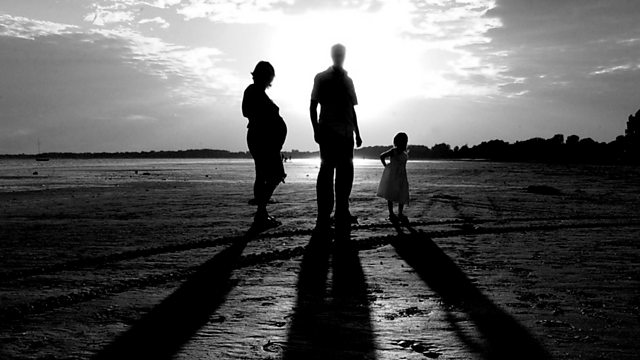
Photo Credit: Serge Noel / Getty Images.
Last on

More episodes
Next
You are at the last episode
The Panel
Matthew Ellison, founder of the Huntington鈥檚 Disease Youth Organization
听
Jonathan Roberts, from Kings College London and the Wellcome Sanger Institute, a genetic counsellor who is currently researching how families communicate about genetics
听
Deborah Bowman, Honorary Professor of Ethics and Law at St George鈥檚 University of London
听
Your Comments
听
I have found your programmes both informative and at times thought provoking. You will be missed.
听
Congratulations
听
(Ken Wilson)
听
听
听
---
听
听
听
I thank you from the bottom of my heart for your treatment of the terrible condition of Huntington's Disease. This is an issue that our family has had to face. It appeared to come
out of the blue, with no known previous history of it in my husband's family, when his brother was diagnosed.
听
It is terrible to watch the course of the disease knowing that your husband is also at risk and could already have passed the gene to one's daughter and two grand-daughters.
听
We received wonderful gentle counselling at St George's Hospital.
My husband eventually decided to be tested and was found to be free.
He faced the experience with great courage.
听
Sadly he died of cancer recently. I feel so thankful that we were able to live the last years
Of our life together free of the dread of HS.
听
Thank you again for dealing with the subject so comprehensively and with such empathy.
听
听
(Judy Griffiths)
听
听
ENDS
Programme Transcript - Inside the Ethics Committee
Downloaded from
听
THE ATTACHED TRANSCRIPT WAS TYPED FROM A RECORDING AND NOT COPIED FROM AN ORIGINAL SCRIPT.听 BECAUSE OF THE RISK OF MISHEARING AND THE DIFFICULTY IN SOME CASES OF IDENTIFYING INDIVIDUAL SPEAKERS, THE 91福利社 CANNOT VOUCH FOR ITS COMPLETE ACCURACY.
听听
听
INSIDE THE ETHICS COMMITTEE
听
Programme 3 鈥� Sharing Genetic Information
听
TX:听 18.08.16听
听
PRESENTER:听 JOAN BAKEWELL
听
PRODUCER:听 LORNA STEWART
听
听
Bakewell
A genetic fault carried on a single gene can pass life-threatening disease from parent to child. What happens when you discover you carry a faulty gene? Should you tell relatives who might also carry it?听 Would they want to know?听 What if their lives, or those of their children, depended on it? And what role should doctors play in all this - does their duty of care stop with their patient, or include relatives too?
听听听听听听听听听听听
Welcome to Inside the Ethics Committee.
听
It鈥檚 October 2012. Andrew has been feeling unwell for several weeks. Then one night the stomach cramps become severe and he starts vomiting.听 He and his wife Elizabeth rush to the hospital and doctors find that Andrew鈥檚 bowel is obstructed. He has emergency surgery, and they discover he has cancer.
听
Elizabeth
Just鈥� shock... and鈥� thinking that鈥檚 really unfair.听 The nurse specialist was very encouraging, she said 鈥� hopefully they鈥檒l remove the tumour, have some chemotherapy and you鈥檒l be on your way, six months鈥� time you can put it behind you.
听
Bakewell
Andrew has an adeno-carcinoma, the most common kind of bowel cancer. He鈥檚 just 33 years old. His nurse specialist.
听
Nurse
There was evidence that cancer cells had gone into the lymph nodes, so he went on to have chemotherapy with a combination of drugs.
听
Bakewell
The schedule is gruelling for Andrew and Elizabeth
听
Elizabeth
I was working, our little one was at nursery and I was pregnant with our second child.听 We were trying to juggle childcare with hospital appointments, oncologist appointments, chemotherapy appointments, trying to keep the little ones quiet so that he could rest and obviously all the washing and the ironing and the cooking and the washing up 鈥� just mad, mad busy.
听
Bakewell
Whilst he鈥檚 having chemotherapy, Andrew is referred to a genetics consultant. Having cancer at such a young age is rare and his oncology team suspects a genetic cause. The genetics consultant begins by taking Andrew鈥檚 family history of cancer 鈥� and it鈥檚 a long one.
听
Genetic Consultant
I could see that his father, first degree relative, had had bowel polyps at an unusually young age.听 That a paternal aunt had been diagnosed with ovarian cancer at the age of 38 and had died from her diagnosis at the age of 40.听 That a paternal first cousin had been found on post-mortem to have a kidney cancer鈥�.
听
Bakewell
And the list goes on into the wider family鈥�
听
Genetic Consultant
鈥� who was diagnosed with bowel cancer and died from it at the age of 34.听 So although we know cancer is becoming more and more common this number of cancers in so many people, who are closely related to one another, at these mainly young ages, does suggest the presence of a hereditary predisposition.
听
Elizabeth
It all seemed so obvious what a prevalence of cancer there was and I definitely thought how could I have not said something or noticed.
听
Bakewell
Because Andrew has so many cancer-affected relatives on his father鈥檚 side, the consultant suspects a genetic condition known as Lynch Syndrome. If Andrew鈥檚 father has the faulty gene then Andrew has a 50% chance of inheriting it. This would mean he has a high risk of getting cancer in his lifetime 鈥� up to eight out of 10 people with Lynch Syndrome will go on to develop bowel cancer
听
A blood test confirms that Andrew does indeed have the faulty gene. He also discovers it鈥檚 been known to be in his family, on his father鈥檚 side, for some years but Andrew was never told he was at risk.
听
Genetic Consultant
Clearly some communication had been lost and it does appear that Andrew鈥檚 father perhaps didn鈥檛 know of the diagnosis and it was on the paternal side of the family.
听
Bakewell
Had Andrew known of his Lynch Syndrome earlier he could have been screened regularly. Colonoscopies look for tiny growths in the bowel, known as polyps, which carry a cancer risk.
听
Genetic Consultant
Colonoscopy allows the detection of the bowel polyps and the removal of the polyps before they can become cancerous, so it reduces cancer risk.听 But also it allows the early detection of cancers and a low grade cancer like that has got much greater survival.听 If we had known that may have allowed the earlier detection of his bowel cancer before it had already spread to his lymph nodes.
听
Bakewell
Elizabeth and Andrew are determined that the same thing will never happen again in his family.
听
Elizabeth
We went back home and we drew out the entire family tree.听 I think Andrew made a phone call or wrote a letter 鈥� a personal letter 鈥� to all of them.
听
Bakewell
At Christmas in 2013, a full year after his bowel obstruction, Andrew begins to feel unwell again.
听
Elizabeth
I wasn鈥檛 sure whether it was just because it was the winter and not having seen the sun but actually he just looked a bit pale and I did have an inkling around about that Christmas time that there was something wrong.
听
Bakewell
A CT scan reveals that Andrew鈥檚 cancer has indeed returned.
听
Elizabeth
I think Andrew was at work when he got the results over the telephone and so he would have told me when he got home that night.听 And we knew from way back in the first oncologist appointment that the place that you didn鈥檛 want to get metastases was in your peritoneum.
听
Bakewell
Andrew鈥檚 nurse specialist.
听
Nurse
The peritoneum is the lining around your abdomen and depending on how he did with chemotherapy his life expectancy was sort of in months, rather than years, unfortunately.
听
Elizabeth
And so for us we knew that that was pretty much it.
听
Bakewell
Andrew died in November 2014, two years after his original cancer diagnosis and 18 months after his Lynch Syndrome test.
听
Let鈥檚 turn now to our panel.
听
Jonathan Roberts, of King鈥檚 College, London and the Wellcome Trust Sangar Institute, a genetic counsellor who is currently researching how families communicate about genetics and Deborah Bowman, Honorary Professor of Ethics and Law at St Georges University London.
听
Jonathan, how common is it for people not to tell their family that they have a genetic condition?
听
Roberts
Experiencing challenges in communication with families is relatively common but for there to be complete non-disclosure is relatively rare.
听
Bakewell
And how do you encourage them to communicate?
听
Roberts
You can do things such as emphasise the benefit to other family members, so as we heard in the story before family members may not be aware of quite how beneficial that knowledge would be.听 So in Lynch Syndrome early screening is incredibly effective, especially colonoscopies, and you鈥檙e looking for small polyps to see if they are harmless or potentially early onset cancers.听 And a lot of family members, once they realise the importance of this, are more willing to communicate.听 Other ways involve just reducing the potential barriers, so some family members might just not know how to start that conversation.听 So you can do things like draft letters that families can then cascade out and that way they know they鈥檙e giving accurate information.
听
Bakewell
Deborah Bowman, confidentiality 鈥� it鈥檚 the cornerstone of medical data and what we all believe 鈥� why is that so important?
听
Bowman
The assumption is and it鈥檚 probably a valid assumption, that trust flows from it and therefore that actually it would be difficult for us to go to our doctors or to a genetics counsellor or to a nurse if we couldn鈥檛 be absolutely certain that what we were about to share was to be confidential.
听
Bakewell
But under what circumstances would it be ethical to break that confidentiality?
听
Bowman
So there are three broad categories under which you can share information that鈥檚 confidential.听 The first is when you鈥檝e got consent, the second is when it鈥檚 in someone鈥檚 best interest you can鈥檛 get consent and that鈥檚 often around communicating with carers.听 And the third is this broad category of the public interest, so where there鈥檚 a serious risk to somebody else.听 It鈥檚 an entitlement to share confidential information it鈥檚 not a duty to do so and that distinction鈥檚 important.
听
Bakewell
Does it apply to genetic鈥�
听
Bowman
I mean the principles of confidentiality apply across whatever specialty you鈥檙e working in, so what you鈥檇 be thinking about is is this a circumstance where there is a justification 鈥� it鈥檚 a justification rather than an obligation 鈥� to share confidential information.听 And the presumption is always, always, always that you avoid breaching confidentiality if you possibly can, even where you think you have to share information you would only ever do that after lots of efforts with the patient to try and help them in sharing the information.
听
Bakewell
Okay but that throws the onus of confirming this information on the patient always and the patient鈥檚 carrying a burden already, isn鈥檛 there a case for easing the burden 鈥� why should the patient carry the burden?
听
Roberts
I think that鈥檚 a very good point.听 I think there鈥檚 a balance to be struck between whose responsibility it is.听 Generally speaking it鈥檚 better for family members to contact other family members, they鈥檒l have a better idea of how the communication works, how best to go about it and the clinicians can be there in support.听 But there is definitely an argument to say that clinicians could do more to support family members in doing that.
听
Bakewell
Deborah, whose responsibility is this?
听
Bowman
So it鈥檚 interesting, I mean the way we鈥檙e hearing it it sounds like responsibility鈥檚 this parcel that everyone鈥檚 trying to get rid of and actually I think most clinical practice isn鈥檛 like that, it鈥檚 about the clinician working with the individual patient and all the relationships within which that patient is situated to think how can we best support communication here.听 And I do think it鈥檚 collaborative in the vast majority of cases.
听
Bakewell
Jonathan, suppose you鈥檝e been through all the procedures that Deborah鈥檚 suggesting, would you ever go against the wishes of a patient?
听
Roberts
There are rare cases where you might go against the wishes of the patient but you would have to understand that there鈥檚 clear benefits to another patient for which you have duty of care and those decisions are normally made within a team.
听
Bakewell
So thank you panel for the moment because we turn now to an entirely different situation that concerns Lucy.
听
Lucy鈥檚 story begins six years ago. It鈥檚 2010 and she鈥檚 28. Lucy鈥檚 father has been unwell with depression for some time, then he telephones her with devastating news. For legal reasons, Lucy鈥檚 words are spoken by an actor.
听
Lucy
My father actually rung me to tell me that he鈥檇 killed a family member.听 I initially didn鈥檛 know if he鈥檇 gone mad or if this had actually happened.
听
Bakewell
Lucy鈥檚 father asks her to call the police and tell them what he鈥檚 done.听
听
Lucy
I remember just sitting on the floor crying my eyes out, not really knowing what to do.听听 Literally it felt like my world had turned upside down.听 The floor didn鈥檛 even feel straight anymore.听 You just have nothing 鈥� no reality anymore.
听
Bakewell
Lucy鈥檚 father is remanded in custody, then taken to prison to await trial. Lucy and her sister plead for him to be taken to the hospital wing of the prison. He鈥檚 been depressed for some time and they are concerned about his mental health.
听
Lucy
He was ill for quite a long time before that, he was taking antidepressants, he wasn鈥檛 really working, he hadn鈥檛 worked properly for quite a while.听 He slept quite a lot.听 He considered attempting suicide a couple of times in the year leading up to this.
听
Bakewell
Eventually he is assessed by two psychiatrists who diagnose him with depressive illness and suspect he has had a psychotic episode. He pleads guilty to the charge of manslaughter on the grounds of diminished responsibility.
听
Lucy
I was relieved.听 For the first time I knew he was in a place where he was safe and where he couldn鈥檛 harm anybody else as well.
听
Bakewell
Lucy and her sister visit their father where he is being held under the Mental Health Act at a high-security forensic psychiatric unit.
听
Lucy
It鈥檚 quite an intimidating place to visit and on top of everything else intimidating given what he鈥檇 done.
听
Bakewell
Then, after three years Lucy鈥檚 father鈥檚 social worker gets in touch, out of the blue, to say that his case has been taken to a tribunal and his time in the psychiatric unit will soon come to an end. He is to be released back into the community
听
Lucy
We were alarmed to hear that he was being released into the community and fearful.听 We had absolutely no understanding of why that decision had been made.听 He鈥檚 still unwell, he鈥檚 not rehabilitated and in a way I feel like he wasn鈥檛 being protected as well.
听
Bakewell
Lucy calls her father鈥檚 support team to explain her concerns and they visit her at home. They explain that her father is being released on health grounds because he has received a new diagnosis - Huntington鈥檚 disease.
听
Lucy
I remember being told that he didn鈥檛 want us to know and I remember saying 鈥� don鈥檛 worry, I won鈥檛 say anything.听 At least we know what鈥檚 wrong and he鈥檚 going to get better.听 At that point I had absolutely no understanding of Huntington鈥檚 disease.
听
Bakewell
When the team leaves, Lucy decides to find out more about Huntington鈥檚.
听
Lucy
I went on the internet, did some research and discovered what Huntington鈥檚 disease was.听 And everything completely fell apart again, I completely freaked out, I just 鈥� I just couldn鈥檛 believe it.听 It made sense and I then understood that he was unwell with this and had been for some time but I just didn鈥檛 know how I was going to survive having to cope with another thing like this.
听
Bakewell
Huntington鈥檚 disease is a degenerative, fatal brain condition.听 The chief executive of the Huntington鈥檚 Disease Association explains.
听
Chief Executive 鈥� Huntington鈥檚 Disease Association
The most common symptoms of Huntington鈥檚 disease tend to be things like people having difficulty swallowing, difficulty speaking, their mobility will become affected and so they have difficulty walking.听 But also the cognitive and mental health problems develop and so people become very irritable, they might become aggressive, depression is a very common symptom.
听
Bakewell
Tragically for Lucy, it鈥檚 also a condition which is passed genetically from one generation to the next.
听
Chief Executive 鈥� Huntington鈥檚 Disease Association
If a parent has Huntington鈥檚 disease you have a 50% chance of inheriting the gene that causes the illness.听 If you inherit the gene that causes the illness you will go on and develop symptoms.听 The prognosis is usually 10-15 years from onset of symptoms, some people will live to about 40-45 years old depending when they start the symptoms.
听
Bakewell
Lucy realises with horror that she herself is at risk of having inherited the condition.
听
Lucy
I can鈥檛 even remember how I got through this period of time.听 I was just utterly distraught and I spent so much time crying my eyes out.
听
Bakewell
She鈥檚 unsure whether to have the test to find out for certain whether she carries the gene or not. She refers herself to her local genetics counselling service.
听
Lucy
I remember sitting in the waiting room, looking around with all sorts of genetic information on the wall.听 I had to fight with myself not to absolutely lose the plot.听 And the genetic counsellor called me in and I just burst into tears and explained everything that had happened.
听
Bakewell
Lucy鈥檚 genetic counsellor.
听
Genetic Counsellor
She had lost a close family member, she also had been told that her father had had Huntington鈥檚 disease, she also knew that she was at 50% risk.听 That is a lot of bad news to deal with at any one time and for anybody coming to see us you would want to give them time to truly reflect on the impact of having such a test and not make that decision too quickly.
听
Lucy
Continually I was debating with myself 鈥� do I test, do I not test, do I want to know, do I not want to know 鈥� what does it mean for other family members.听 And still at this point grieving for the loss of such an important person in my life, it was really difficult.
听
Genetic Counsellor
An individual may think 鈥� well if I have the test and it鈥檚 negative I can forget all of this.听 And that鈥檚 tantalising there the whole time but of course the flipside is the cost of the results being opposite to that has profound effects for individuals.
听
Lucy
Basically if you get a positive result that鈥檚 it for the rest of your life and living with that daily just seemed like a massive burden and something that would be a huge struggle.听 Whereas if you don鈥檛 test you鈥檝e got the chance that you don鈥檛 have the gene.
听
Bakewell
Lucy decides not to have the test 鈥� not an uncommon decision at all. The Chief Executive from the Huntington鈥檚 Disease Association again.
听
Chief Executive 鈥� Huntington鈥檚 Disease Association
Less than 20% of people who are at risk to Huntington鈥檚 disease choose to go on and have the genetic test.听 And that鈥檚 for all sorts of reasons but mainly because once you actually find out that you carry the gene you can鈥檛 take that knowledge away and although it does tell you that you鈥檙e going to develop the illness it can鈥檛 tell you when that鈥檚 going to happen or what symptoms you鈥檙e going to have.
听
Bakewell
Lucy begins to worry about developing symptoms: she notices things most of us take for granted and they make her anxious.
听
Lucy
Everything you do, if you lose a car key or you forget something, anything, if you trip over on the street, everything you attribute to 鈥� oh well that鈥檚 it, I鈥檓 about to die.听 I was just terrified that I was going to suddenly get Huntington鈥檚 disease.
听
Bakewell
The genetic team offers Lucy a neurological assessment. It shows that she is symptom free and she is relieved. But her risk of carrying the gene continues to play on her mind. Two years later, Lucy returns to the genetic counsellor.
听
Genetic Counsellor
Lucy returned saying that she had decided that the time was right for her to be tested for the Huntington鈥檚 gene.听 She felt she couldn鈥檛 cope any longer with the not knowing and that as difficult as a positive Huntington鈥檚 result was she felt that was going to be better to deal with.
听
Lucy
Being put in this situation without any choice I was just trying to take back some control of my own life and that鈥檚 basically why I made the decision in the end to do the test.
听
Bakewell
Let鈥檚 return to our panel now. With me still are Deborah Bowman and Jonathan Roberts.
听
And before we talk to you Jonathan, Deborah I鈥檝e got a question for you.听 Now Lucy鈥檚 father was convicted of manslaughter with diminished responsibility but it also seems that the doctor thought he had the capacity to make his own decision about medical information 鈥� isn鈥檛 that contradictory?
听
Bowman
I can see why it might appear so but capacity鈥檚 decision specific, so the diminished responsibility defence would pertain specifically to his mental state in relation to that crime at the time when he was thought to be psychotic.听 We don鈥檛 know when the decision to test was taken, he鈥檇 been an inpatient, he presumably had received treatment and may well have had capacity to make some decisions but not others, that鈥檚 no unusual.
听
Bakewell
Now Jonathan Lucy鈥檚 been suddenly plunged into this dreadful situation about the Huntington鈥檚 disease, it鈥檚 a death sentence and there鈥檚 no treatment now that鈥檚 very different from Andrew鈥檚 situation, isn鈥檛 it, with the Lynch Syndrome.听 So how is the genetic counsellor鈥檚 role different for one and the other?
听
Roberts
Huntington鈥檚 disease is one of the most challenging cases that genetic counsellors face and I think one of the reasons for that is that there鈥檚 not always a clear benefit to whether you should test or not to test outside of whether it鈥檚 the right decision for that patient.听 So with Lynch Syndrome there鈥檚 a clear benefit in terms of early screening.听 With Huntington鈥檚 disease that clear benefit isn鈥檛 there.听 So the most important thing is that a patient makes the right decision for them, that they鈥檙e in control, that they鈥檝e made an autonomous decision.
听
Bakewell
Well we鈥檒l learn about that now because joining us is Matthew Ellison, who鈥檚 the founder of the Huntington鈥檚 Disease Youth Organisation.
听
Now Matthew you yourself are a Huntington鈥檚 disease gene carrier, what was the background against which you went for the testing?
听
Ellison
My father had Huntington鈥檚 and I鈥檇 known that he had Huntington鈥檚 since I was seven and it鈥檚 always been in my head when I鈥檝e been growing up that I鈥檓 at risk.听 I didn鈥檛 really know that was 50% but I knew there was a possibility that this could happen to me.听 And it was when I got a bit older, I tested when I was 19, so when I was about 17, 18 I started doing more research about testing and my risk and thinking about that.
听
Bakewell
We鈥檝e heard that less than 20% of people go ahead and have the test when they know they鈥檙e at risk.听 What convinced you that testing was a good idea?
听
Ellison
Most people who don鈥檛 want to get tested they kind of want that hope, they kind of want that normal life, kind of think 鈥� well it鈥檚 a possibility, it鈥檚 a risk but so many things are a risk that we don鈥檛 really know about so we鈥檒l just leave it and see how life goes.听 But I think there鈥檚 also that small percentage, like me, who do want to know that information and think well okay I can actually plan my life around this so I know that I might not be able to do things when I鈥檓 35, 40, so let鈥檚 try and do things now.
听
Bakewell
Deborah Bowman, is knowledge always a good thing?
听
Bowman
It鈥檚 impossible to say definitively one way or the other.听 Some people have a greater tolerance for uncertainty than others.听 For some it鈥檚 hope, for others it鈥檚 intolerable anxiety.听 I think the other really confusing thing is it might be both for the same person.听 You might both want to know and not know.听 And that鈥檚 why autonomy sounds so simple and it鈥檚 so complex because actually we鈥檙e all very complex and we鈥檙e always shifting in what we think we might want in a hypothetical situation feels very different when it鈥檚 an actual situation.听 And what we want when we鈥檙e 20 might not be what we want when we鈥檙e 40 and so on and so forth.
听
Bakewell
Jonathan?
听
Roberts
We鈥檙e talking about whether knowledge is always a good thing.听 I think control is often a good thing and for some people control is choosing not to know, for some people control is choosing to know.听 And I think people are most at risk of an adverse reaction to a test result when they haven鈥檛 felt in control.
听
Bakewell
I get the feeling Matthew that you feel in control.
听
Ellison
I do, yeah, it gave me control.听 I used it as motivation to do something with my life and to kick on almost, it was an inspiration for me, yeah.
听
Bakewell
So let鈥檚 get back to the story of Lucy who has been tested for the Huntington鈥檚 disease gene and returns to the clinic to get her result.
听
Lucy
I went to the clinic and was taken into the room by the genetic counsellor, which I remember vividly, and she sat me down, opened up the paperwork and said I鈥檓 really sorry to tell you that you have the gene, the Huntington鈥檚 disease gene.
听
Genetic Counsellor
It is very hard to give somebody a result like this when you鈥檙e doing genetic counselling.听 I counsel patients for all sorts of different reasons and very often there鈥檚 a happy outcome but with Huntington鈥檚 you have this lengthy disabling deteriorating condition where there鈥檚 no treatment.
听
Lucy
I can remember walking the short journey home feeling completely unsteady and shocked.听 I got myself home and just got into bed and spent the rest of the day crying my eyes out.
听
Bakewell
And it鈥檚 not only herself that she鈥檚 concerned about.听 Lucy has a three year old son. He was just four months old when Lucy discovered her father had Huntington鈥檚 disease. Planning ahead for her son was partly why she had the test.
听
Lucy
Sometimes I just lie at night watching him sleeping wondering what the future holds and how this little person is going to cope.听 Finding out that I am gene positive and that he鈥檚 50/50 risk is going to destroy his life.听 If I鈥檇 known in the pregnancy I would have terminated to not put my son through this situation.
听
Bakewell
There are a number of choices open to people with Huntington鈥檚 disease who want to have children.
听
Chief Executive 鈥� Huntington鈥檚 Disease Association
People who carry the Huntington鈥檚 gene can have children naturally and their children will have a 50% risk of inheriting the gene.听 The other option is something called pre-implantation genetic diagnosis and what that means is basically an IVF procedure, so a sperm and an egg are put together, an embryo is formed and that embryo is tested to see whether or not it carries the gene and then only embryos that don鈥檛 carry the gene are implanted back into the womb.
听
Bakewell
It鈥檚 also possible to test for Huntington鈥檚 disease during pregnancy after a natural conception whereby fluid around the baby is tested for the genetic fault via a process called amniocentesis.
听
But finding the genetic fault in an embryo automatically reveals that at least one parent must have it too. And most at risk adults choose not to find out if they have the gene.
听
For these people, who don鈥檛 want anyone to know whether they have Huntington鈥檚, there is another option if they want to be certain that their offspring does not inherit it 鈥� it鈥檚 called exclusion testing.
听
Chief Executive 鈥� Huntington鈥檚 Disease Association
What exclusion testing does is not actually test the specific gene but areas around the gene and it tracks back through generations, so it can tell whether a pregnancy is at a high risk of having the Huntington鈥檚 gene or a lower risk, but it鈥檚 not a 100% accurate, so there is a possibility that pregnancy could be terminated and actually the child isn鈥檛 carrying the gene.
听
Bakewell
But for Lucy and her son it鈥檚 too late for any of these options.听
听
After she becomes aware she has Huntington鈥檚, she decides to take legal action against her father鈥檚 medical team. Lucy contacts a lawyer.
听
Lawyer
Lucy has instructed us to bring a claim of negligence against the various hospital trusts that were treating her father who knew about his potential diagnosis and who chose not to disclose that diagnosis to her.
听
Lucy
Not only was he in the active stages of the disease he鈥檇 killed the family member and is therefore not somebody who should be making any decisions for us as a family.听 The right thing would have been to disregard his wishes and to think about us as a family.
听
Lawyer
There are competing rights here.听 There are the rights of the father to have his medical information kept confidential and there are the rights of the family member, in this case Lucy, to learn of that information so as to take action to avoid very serious and potentially life threatening harm.听 For me, personally, it is by no means obvious that the right of an individual to have his medical information kept confidential should in any way trump the right of a relative to have information that will enable them to avoid very serious harm.
听
Bakewell
For Lucy, having the information about her father鈥檚 Huntington鈥檚 disease would have allowed her to make an informed choice about her pregnancy and the possibility of passing on the faulty gene to her son.
听
Lucy
To grow up knowing you鈥檙e a 50/50 risk with a parent who is going to become unwell and there鈥檚 no treatment, there鈥檚 no cure and also you know that your grandfather has committed manslaughter whilst ill with this disease, it鈥檚 a terrifying place to be and that is never ever going to be okay and there鈥檚 nothing that can be done about that now because nobody bothered to open their mouths.
听
Bakewell
Lucy鈥檚 son is now three years old. Obviously he doesn鈥檛 yet know his mother and grandfather carry the faulty gene.
听
Lucy
After everything I鈥檝e been through I can鈥檛 ever imagine at the moment a time when I can sit him down.听 There鈥檚 never going to be the right time for me.听 I know at some point in the future it is something that will have to be 鈥� it will have to be discussed.
听
Bakewell
Telling a child about the risk of Huntington鈥檚 disease and getting a test to determine whether they鈥檝e got it are two very different things. Testing in childhood is not recommended. The Chief Executive of the Huntington鈥檚 Disease Association.
听
Chief Executive 鈥� Huntington鈥檚 Disease Association
If you allow parents to make a decision for their children then you鈥檙e taking away the choice of that child when they become an adult of making that decision for themselves.
听
Bakewell
Children are also not tested for Lynch syndrome.
听
In our first story, Elizabeth feels that her husband having died the most pressing issue now is screening her children as early as possible for signs of cancer. She knows all too well the impact of not having that screening.
听
Elizabeth
Not a day goes by that I don鈥檛 wish things different.听 There鈥檚 so many different times at which it could have happened, that somebody could have put two and two together and the outcome might have been different for Andrew.听 I believe he鈥檇 still be here, I believe that he would have gone for screening because he was that sort of person.听 And my children would have their daddy.
听
Bakewell
But it鈥檚 not normal procedure to screen for adult onset conditions in childhood. The genetic consultant.
听
Genetic Consultant
In childhood the child isn鈥檛 at risk, there are no health implications for children from this and so we would prefer to wait until the child is of an age when they can have a discussion with us and understand the implications of the testing, understand what the condition means and can make an informed decision.
听
Bakewell
For these reasons, genetic testing for the faulty gene is only recommended for adults. For anyone who tests positive, their own screening for early signs of disease usually starts 10 years before the age at which the youngest of their relatives developed cancer. But there鈥檚 an age limit with this recommendation 鈥� the rule is that screening should start no younger than 25.听
听
Elizabeth thinks her children should be screened much sooner than that.
听
Elizabeth
In Andrew鈥檚 case one of his relatives was diagnosed at 16 with bowel cancer.听 And so for our children I think that the screening should start before they鈥檙e 18.
听
Bakewell
Although Elizabeth feels that screening for cancer should start before it鈥檚 recommended at the age of 25, she鈥檚 not ready to have them tested for the gene. They鈥檙e just three and five years old.
听
Elizabeth
Would I want to know that both of them have got Lynch Syndrome now?听 I鈥檇 want to know if they both didn鈥檛 but I certainly wouldn鈥檛 want to know that one of them did.听 Sometimes you wish you could see into the future, don鈥檛 you, but actually I think it鈥檚 just as well we can鈥檛.
听
Bakewell
For Elizabeth and her children, that future is tragically one without Andrew.听
听
Now let鈥檚 return to our panel:听 Deborah Bowman, Jonathan Roberts and Matthew Ellison.
听
Jonathan, we just heard that Elizabeth, the mother in the case, wants her children screening for early signs of cancer but not testing for the faulty gene.听 Would you ever do that 鈥� screen without knowing they鈥檙e at risk?
听
Roberts
For some families who are at increased risk of bowel cancer their family history alone means that increased screening would be recommended.听 The advantage of having genetic testing is it means you can avoid doing colonoscopies in cases where you don鈥檛 need to.听 So colonoscopies do have a small risk and obviously they鈥檙e particularly uncomfortable and they鈥檙e not a procedure you want to be doing a lot of if you don鈥檛 have a very good reason for doing it.
听
Bakewell
Should screening start much earlier for Andrew and Elizabeth鈥檚 two children because one family member developed cancer at 16?
听
Roberts
The point at which screening starts is a question that needs to be managed between the clinical genetics team and the oncologists and surgeons because with all of these things it鈥檚 balancing different types of risk.
听
Bakewell
Now Deborah, children are not usually tested for the gene faults that cause adult onset conditions like Lynch Syndrome and Huntington鈥檚 until they鈥檙e 18 鈥� why is that?
听
Bowman
One relates to capacity and choice, although of course actually you can be quite a lot younger than 18 and have capacity and make reasonable choices.听 I think there are other reasons.听 I mean screening is not a neutral act, there are risks and benefits and actually the younger somebody is the more likely you are to think this is a decision that could or should wait.
听
Bakewell
Okay, well let鈥檚 move on to telling children about a family condition.听 What is the age when you believe that a child can take on complicated information?听 Jonathan?
听
Roberts
I think it depends a little bit on how the family talk about a condition and what their story is.听 For some families this is something that is known about from a young age and children kind of grow up having little bits of information and more and more as they get older.听 For other family members it can feel like a bolt from the blue and I think one of the challenges is when there鈥檚 a piece of information that鈥檚 new and the parents aren鈥檛 quite sure how to communicate that to the kids and then they feel as if they has to be a sort of one event.
听
Bakewell
Matthew, at the Huntington鈥檚 Disease Youth Organisation you work with a lot of teenagers, the young people who are at risk, now do any of them wish they didn鈥檛 know about having Huntington鈥檚 in the family?
听
Ellison
Generally we don鈥檛 get that, we don鈥檛 get people contacting us saying I wish I didn鈥檛 know that Huntington鈥檚 was in the family, we get contacts saying I鈥檝e just found out and I鈥檓 very scared or things like that.听 What we do at HDO is offer appropriate information to learn about Huntington鈥檚 disease via our website because we get so many young people contacting us saying oh I鈥檝e been on Google or whatever and typed in Huntington鈥檚 disease and just got the scariest information and fatal, no cure, it鈥檚 terrifying for them.听 So we try to educate children and young people in an appropriate way for them, that鈥檚 not going to be scary for them but it is going to educate them on what they鈥檙e facing.
听
Bakewell
Okay well so far we鈥檝e been talking about testing and telling, what about preventing the gene being passed on in the first place, and avoiding it?听 Jonathan, what are the options for someone who鈥檚 at risk of carrying a faulty gene and doesn鈥檛 want to pass it on to their children?
听
Roberts
So there are two main options.听 The first is testing a pregnancy using amniocentesis, if the pregnancy is found to have the HD gene then that pregnancy can be ended.听 The second is something called pre-implantation genetic diagnosis, this is a form of IVF but before any embryos are used they鈥檙e tested and embryos that have the HD gene are discarded.听 There鈥檚 a third option, that鈥檚 a rarer option, if somebody really doesn鈥檛 want to know their status but wants to test their pregnancy they can have something called exclusion testing.听 So this is done by using genetic markers from grandparents and you can find out if the pregnancy has inherited the same genetic material as the grandparent who had HD.听 It doesn鈥檛 provide a clear result as amniocentesis or PGD, it can only tell you whether your pregnancy is at an increased risk or not.听 So the uncertainty goes up but the advantage is if you really don鈥檛 want to know your status a parent can have exclusion testing.
听
Bakewell
Matthew.
听
Ellison
I got married two years ago and our plan was always to have children but not at risk.听 So we鈥檝e looked at the options that Jonathan just explained and we鈥檝e gone with PGD 鈥� which is the pre-implantation genetic diagnosis.听 So we鈥檙e currently going through that at the moment.听 You鈥檙e not guaranteed to be successful, far from it, it is a difficult process to go through as well for the woman, lots of injections, sometimes people say oh you don鈥檛 need to pass on the risk and actually these options aren鈥檛 simple, they鈥檙e not easy for most people.
听
Roberts
I think that鈥檚 a really important point when discussing the options with families.听 Each option has its own risks, its own ups, its own downs, same positives and negatives, and it鈥檚 about couples choosing which of those they want to take and often there鈥檚 no right answer, it鈥檚 a very, very personal decision.
听
Bakewell
Now another thing we鈥檝e heard about in this case is about Lucy is that she鈥檚 bringing a legal case against her father鈥檚 medical team.听 Now Deborah, why is her case contentious?
听
Bowman
The way in which the law is usually framed is that the duty of care relationship is about the doctor and his or her patient.听 So it is unusual in that it鈥檚 seeking to extend that duty and then say that the way in which that duty was discharged or not was negligent.
听
Bakewell
We鈥檝e heard Jonathan say that although the obligation is to keep the patient鈥檚 information private there would be a situation in which a counsellor could breach it.听 So if this comes into law and Lucy is successful what will that do to the situation?
听
Bowman
Okay, so I think one of the reasons that there haven鈥檛 been duty to warn cases, that鈥檚 the term for these sorts of cases, has been a concern that if one were to impose on clinicians an obligation that extended beyond the patient in front of you that would distort the relationship with the patient in front of you, that they may not be honest, that they may not come and see you in the first instance, that they might give you partial information, that they wouldn鈥檛 be able to be certain that you were looking after them, rather than looking after this wider population.听 And there are implications for how doctors and patients relate to each other of these sorts of judgements.
听
Bakewell
Now Jonathan if the law were to change how would it affect you?
听
Roberts
I think the distinction between there being a duty to inform and it being justified to inform is a really important one.听 So I think in clinical genetics, currently working from the principle that there are certain cases where it鈥檚 justified to breach confidentiality, the change from there then to being a duty is a massive shift and I think there鈥檚 potential for that to change that level of trust.
听
Bakewell
Well wait a minute, we鈥檙e dealing with a fatal illness here, we鈥檙e dealing with an illness that has no treatment, that is going to be fatal.听 So there surely is a moral obligation to save life?
听
Roberts
I think the justification for breach of confidentiality is absolutely there and you could argue that moral obligation to give 鈥� to save lives provides the justification for breaching confidentiality and sharing data.听 And there鈥檚 perhaps an argument that clinicians should feel more confident about doing that and鈥�
听
Bakewell
It鈥檚 a strong case isn鈥檛 it?
听
Roberts
It鈥檚 a strong case and there鈥檚 an argument to be made that clinicians perhaps come down too hard at the minute on balancing confidentiality against sharing information.听 But I think there鈥檚 a big difference between saying clinicians should be more aware of moral cases where they can breach confidentiality to saying they have a legal duty to do it, I think there鈥檚 a very different perspective.
听
Bakewell
And it鈥檚 very interesting, isn鈥檛 it Deborah, the whole field of genetics, this field is only going to get more complicated and moral obligations, legal obligations, are going to multiply.
听
Bowman
I think there鈥檚 something very interesting about genetics that it really challenges that idea of the dyadic two people relationship on which most medical ethics is predicated.
听
Bakewell
It鈥檚 clearly going to be a very complicated future that we face.听
听
Thank you to my panel:听 Deborah Bowman, Matthew Ellison and Jonathan Roberts.
听
But now let鈥檚 find out what happened to Lucy.
听
She is bringing a negligence claim against the hospital trusts that treated her father.
听
She feels that her father was not able to make decisions for himself because of his illness, and that he should not have been allowed to make decisions for the family after he had killed a family member.
听
At a preliminary hearing, the trusts made an application for the case to be struck out, saying that it should not be heard. Lucy鈥檚 lawyer.
听
Lawyer
The basis of their application was that there is no duty of care owed by a doctor to anyone other than their patient.听 At that hearing they persuaded the judge that that was right and that there was no fair, just or reasonable reason why such a duty should be found in Lucy鈥檚 case.听 Following that decision Lucy made an application to the Court of Appeal that she should have permission to appeal and that permission was granted.听 Unfortunately the hearing is not listed until spring 2017.
听
Bakewell
When the appeal is heard it stands a chance of being a landmark legal ruling in the sharing of medical information.
听
Lawyer
If Lucy were to win this case it would be a very significant change in the law in relation to duty of care owed by doctors to their patients.听 The way that I conceptualise it in my own head is that what this is in fact doing is redefining the definition of patient, so that yes doctors only owe duties of care to their patients but that in the context of genetic medicine the patient is defined not only as the person who provided the genetic sample but also as all those people who are affected by the information contained within that genetic sample.
听
Bakewell
For Lucy, the court case is just one of a whole list of things she worries about.
听
Lucy
It really goes in phases.听 If everything鈥檚 going wrong in life a bit you think oh god I鈥檓 going to get ill soon and it all gets on top of you.听 And then if the sun鈥檚 shining and you鈥檝e had a nice holiday, I have days where I think 鈥� they might develop a cure and I will live until I鈥檓 90 and see my grandchildren.听 But I don鈥檛 allow actually myself to hold on to that, I just think it鈥檚 every day as it comes at the moment, deal with one thing at a time.听 I don鈥檛 look to the future, I don鈥檛 really make plans, it鈥檚 something that is out of my hands unfortunately.
听
ENDS
Broadcasts
- Thu 18 Aug 2016 09:0091福利社 Radio 4
- Sat 20 Aug 2016 22:1591福利社 Radio 4
Podcast
-
![]()
Inside the Ethics Committee
Joan Bakewell and a panel of experts wrestle with the ethics of a real-life medical case.