Memory
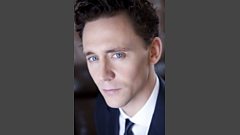
Texts and music on the theme of memory, with readings by Tom Hiddleston and Eleanor Bron. Including Wordsworth, Wodehouse and Montaigne, plus Purcell, Chabrier, Brahms and Bach.
'Memories,' according to PG Wodehouse 'are like mulligatawny soup in a cheap restaurant. It is best not to stir them.'
In this memory-themed edition of Words and Music Tom Hiddleston and Eleanor Bron nonetheless poke around with the soup spoon to discover what's below the surface.
Among the ingredients Wordsworth and Bertie Wooster are in remarkable agreement; Alan Bennett struggles to comes to terms with his mother's dementia; and Fanny Burney recalls her horrific operation. St Peter and Montaigne have trouble remembering; Ted Hughes remembers all too well his honeymoon with Sylvia Plath; William Blake and Elizabeth Jennings look back on happier days. Somewhere in the middle is a large dollop of Proust.
It's all to be found floating in the music of Purcell, Conlon Nancarrow, Chabrier, John Adams, Brahms and Bach.
David Papp (producer).
Last on

More episodes
Previous
Clip
-
![]()
Tom Hiddleston reads Proust
Duration: 03:34

Music Played
Timings (where shown) are from the start of the programme in hours and minutes
-
![]() 00:00
JS Bach (arr. Cassol & Vangama)
Prelude after Bach
Performer: Coup Fatal and Rodriguez Vangama.- Outhere Music OUT 656.
- Tr3.
-
William Wordsworth
The Prelude, read by Eleanor Bron
Michel de Montaigne (trans John Florio 1603)
Essays, read by Tom Hiddleston
![]() 00:03
Johann Sebastian Bach
Liebster Gott, wenn werd ich Sterben (Cantata BWV. 8)
Performer: Monteverdi Choir, English Baroque Soloists, John Eliot Gardiner (conductor).- SDG 177.
- Tr14.
![]() 00:05
Johannes Brahms
Adagio mesto (Horn Trio, Op. 40)
Performer: Isabelle Faust (violin), Teunis van der Zwart (natural horn), Alexander Melnikov (piano).- Harmonia mundi HMC901981.
- Tr3.
Gerard Manley Hopkins
Binsey Poplars (Felled 1879), read by Eleanor Bron
P.G. Wodehouse
The Code of the Woosters, read by Tom Hiddleston
![]() 00:12
Lindsay McPhall & Walter Michels
San
Performer: London Sinfonietta, Simon Rattle (conductor).- EMI 5576912.
- Tr5.
Aldous Huxley
Eyeless in Gaza, read by Eleanor Bron
Marcel Proust (trans C. K. Scott Moncrieff)
Remembrance of Things Past, Volume One, read by Tom Hiddleston
![]() 00:18
Michael Tippett
Fantasia Concertante on a Theme of Corelli
Performer: 91福利社 Symphony Orchestra, Andrew Davis (conductor).- Teldec 4509 94542 2.
- Tr5.
![]() 00:22
Franz Schubert
Scherzo (Piano Trio in B flat major, D. 898)
Performer: Vienna Piano Trio.- MDG3421167-2.
- Tr3.
William Blake
Song, read by Eleanor Bron
Elizabeth Jennings
Reminiscence, read by Eleanor Bron
Simon Armitage
You May Turn Over and Begin, read by Tom Hiddleston
![]() 00:29
The Undertones
Teenage Kicks
- Music Factory Mastermix.
- Tr1.
Gabriele d聮'Annunzio
Notturno (Second Offering) (trans Stephen Sartarelli), read by Eleanor Bron
![]() 00:32
Giovanni Gabrieli
Sonata con voce: Dulcis Jesu, a 20
Performer: Gabrieli Consort Choir and Player, Paul McCreesh (conductor).- Brilliant Classics 938770/4.
- Tr10.
![]() 00:38
Emmanuel Chabrier
贰蝉辫补帽补
Performer: Vienna Philharmonic Orchestra, John Eliot Gardiner (conductor).- Deutsche Grammophon 4477512.
- Tr6.
Ted Hughes
You Hated Spain, read by Tom Hiddleston
![]() 00:42
Conlon Nancarrow
Study No. 12 for player piano
- Other minds OM1012/15-2.
- CD4, Tr3.
Bible
Mark, 14:66-72, read by Eleanor Bron
![]() 00:47
William Byrd
Tu es Petrus
Performer: The Cardinal聮s Musik, Andrew Carwood (conductor).- Hyperion CDA67653.
- Tr11.
Shakespeare
Hamlet, Act 1 (Ghost), read by Tom Hiddleston
![]() 00:51
Henry Purcell
March (Funeral Music for Queen Mary)
Performer: Baroque Brass of London.- Brilliant Classics 93981.
- Tr11.
Anon.
The Post Boy, 26 November 1695, read by Eleanor Bron
Henry Hall
To the Memory of my Dear Friend Mr. Henry Purcell, read by Eleanor Bron
![]() 00:54
Henry Purcell
Thou knowest, Lord Z.58C (Funeral Music for Queen Mary)
Performer: Tavener Consort and Players, Andrew Parrott (conductor).- Virgin 5451592.
- Tr20.
Anon.
Tablet inscription in Westminster Abbey, read by Eleanor Bron
![]() 00:56
Henry Purcell
Canzona (Funeral Music for Queen Mary)
Performer: Baroque Brass of London.- Brilliant Classics 93981.
- Tr13.
Fanny Burney
Fanny Burney undergoes a mastectomy, 30 September 1811, read by Eleanor Bron
![]() 01:01
George Crumb
Black Angels
Ensemble: Kronos Quartet.- Nonesuch 7559-79242-2.
- Tr1.
Alan Bennett
Untold Stories, read by Tom Hiddleston
![]() 01:04
John Adams
A New Day (The Dharma at Big Sur)
Performer: Tracy Silverman (electric violin), 91福利社 Symphony Orchestra, John Adams (conductor).- Nonesuch 7559 79857.
- CD1, Tr1.
Christopher Reid
Late, read by Tom Hiddleston
![]() 01:08
Sergey Rachmaninov
Prelude in D major (op. 23, no. 4)
Performer: Vladimir Ashkenazy (piano).- Decca 4144172.
- Tr5.
Christina Georgina Rossetti
Remember, read by Eleanor Bron
Producer Note
鈥楽pots in time鈥� 鈥� Wordsworth鈥檚 famous phrase 聽from 鈥楾he Prelude鈥� 鈥� at once begins and informs this edition of Words and Music with Eleanor Bron and Tom Hiddleston. But if all the 鈥榮pots of time鈥� here have a 鈥榙istinct pre-eminence鈥� for their authors, not all, like Wordsworth鈥檚, 鈥榬etain a renovating virtue鈥�.
Michel de Montaigne鈥檚 observations on the human condition in his wide-ranging 鈥楨ssays鈥� still resonate down five centuries. Which of us hasn鈥檛 experienced the memory that works 鈥榖etter by chance鈥�; the memory which, the more you try to remember, becomes 鈥榤ore entangled and intricate鈥�? Bach, always universal, always relevant, accompanies these first two texts.
Memory, trees, loss and grief unite the next music and text. Brahms鈥檚 Trio, Op. 40 for the unique combination of violin, piano, and waldhorn 鈥� natural horn (literally 鈥榝orest horn鈥�) 鈥� was written in 1865, the year of his mother鈥檚 death. The whole work is redolent of the forest and at its heart is the yearning slow movement, interrupted by passionate outbursts. In the fervent near-contemporary 鈥楤insey Poplars鈥�, Gerard Manley Hopkins laments a stretch of felled riverside trees.
In one of PG Wodehouse鈥檚 Jeeves stories, Bertie Wooster is aggrieved to overhear his manservant describing him as 鈥榤entally negligible鈥�. Jeeves (as always) is right. But, like some kind of urbane, urban village idiot, Bertie is oddly capable of coming out with wisdom, despite himself. In this passage from 鈥楾he Code of the Woosters鈥� he unwittingly echoes Wordsworth鈥檚 鈥榮pots of time鈥�, perhaps the vestige of some schoolboy learning by rote. 鈥楽an鈥�, is the kind of 1920s US hit Bertie might have strummed along to with his ukulele, out of Jeeves鈥檚 earshot.
Anthony Beavis, the central character in Aldous Huxley鈥檚 1936 鈥楨yeless in Gaza鈥�, is as self-consciously 鈥榗lever鈥� and dissatisfied with life as Bertie Wooster is happily stupid and content. Interestingly, Huxley himself appears in a positive light in Proust鈥檚 鈥樏� la recherche du temps perdu鈥�. But far from complimentary are the words Huxley gives Beavis as he describes the physically repellent Proust indulgently wallowing in his filthy bathtub of memories.
The passage sets up the 鈥榤adeleine moment鈥� from Proust鈥檚 great novel on the nature of memory, when tea and cake open the floodgates of 鈥榯he vast structure of recollection鈥�. The Corelli theme of Tippet鈥檚 鈥楩antasia鈥� here too seems like a released memory rising to the surface in a Proustian way.
The next three texts are concerned with youthful memories. For William Blake and Elizabeth Jennings, happy memories make the present seem sadder 鈥� the same combination of moods which so often characterises Schubert鈥檚 music. As Simon Armitage鈥檚 sixth-form mind wanders after a pointless exam, The Undertones echo his thoughts.
Among the oddest of books is Gabriele d鈥橝nnunzio鈥檚 鈥楴otturno鈥�. Blinded in a flying accident in 1916, d鈥橝nnunzio鈥檚 doctors ordered him to lie flat on his back, immobile, for three months. 鈥楾here was a forge of dreams inside my damaged eye which my will could neither control nor halt鈥� the past became present, its forms in such full relief and such sharp detail that their emotional intensity was immeasurably increased.鈥� Nursed by his daughter in Venice, d鈥橝nnunzio wrote single sentences in pencil on narrow strips of paper which he later put together in a lengthy prose poem. A lot of 鈥楴otturno鈥� is an unappealing mix of the glorification of war and rabid nationalism. But there are lyrical passages too, centred on happier memories. Such is this one, a magical description of a visit to Pisa cathedral. An informed interest in Italian early music is among the many surprises of d鈥橝nnunzio鈥檚 life, so here is Giovanni Gabrieli鈥檚 great 20-part 鈥楽onata con voce: Dulcis Jesu鈥� which builds to one of those magnificent Venetian endings.
Chabrier鈥檚 鈥樂〔醣璨姑辈光�� represents the kind of jolly Spain that Ted Hughes implies Sylvia Plath would have preferred on their honeymoon. Hughes remembers the reality: 鈥榯he welding light/Made your blood shrivel鈥β燼s your panic/Clutched back towards college America鈥�.聽 Perhaps Hughes should have gone to Spain with another American, Conlon Nancarrow, veteran of the Spanish Civil War. With its strumming guitar figures and stomping flamenco rhythms gradually winding-up to a frenzied and violent climax, Nancarrow鈥檚 鈥楽tudy No. 12鈥� for player piano embraces the essence of Spain Plath so feared.
After Jesus was arrested, Peter 鈥榝orgets鈥� he knew Him. Of course, Jesus predicted he鈥檇 deny Him thrice before the cock had crowed twice. But He also knew Peter to be the rock upon which He would build His church, the text of Byrd鈥檚 setting.
Memory is a central theme of Shakespeare鈥檚 鈥楬amlet鈥�. The memory of Hamlet鈥檚 father in the shape of the ghost and its injunction to Hamlet to 鈥楻emember me鈥� is the spur to the play鈥檚 action.
Henry Purcell鈥檚 1695 鈥楳usic for Queen Mary鈥檚 Funeral鈥� was re-used for his own funeral six months after the queen鈥檚. Purcell was only thirty-six years old and much mourned and, as 鈥楾he Post Boy鈥� reported, buried in Westminster Abbey 鈥榠n a magnificent manner鈥�. He is affectionately remembered here by his boyhood friend and fellow composer Henry Hall, and by the memorial tablet in the Abbey which can still be seen.
In September 1811 the remarkable novelist, diarist and playwright Fanny Burney underwent a mastectomy without anaesthetic which she relates in this utterly terrifying letter, written to her sister nine months after the event. She says the letter has taken three months to write and that she 鈥榙are not revise, nor read [it], the recollection is still so painful.鈥� The frightening, stabbing music of George Crumb鈥檚 鈥楤lack Angels鈥� follows.
Texts by Alan Bennett, Christopher Reid and Christina Georgina Rossetti, and music by John Adams and Rachmaninov end the programme. In a moving passage from 鈥楿ntold Stories鈥� Bennett describes a visit to his mother, unable to recognise him through dementia. John Reid鈥檚 鈥楲ate鈥� is a sort of mis-remembering as he hears his wife come home, undress and get into bed. 鈥極f course, I鈥檇 forgotten she鈥檇 died.鈥� Rachmaninov鈥檚 lyrical and tender D major Prelude links this and Rossetti鈥檚 funeral favourite 鈥楻emember鈥�, to close on an optimistic note: 鈥楤etter by far you should forget and smile/Than that you should remember and be sad.鈥�
David Papp (producer)
Broadcasts
- Sun 22 Feb 2015 17:3091福利社 Radio 3
- Tue 3 Jan 2017 16:3091福利社 Radio 3
The hidden history of plant-based diets
![The hidden history of plant-based diets]()
Forget social media influencers - the meat-free movement started with the Victorians.
Books website
Get closer to books with in-depth articles, quizzes and our picks from radio & TV.
Gallery
Related Content