
In June 1948, the Empire Windrush docked at Tilbury and King George VI formally ceased being Emperor of India. It was an opportunity for Britain to reimagine itself as both multi-cultural and post-Imperial.
So, how did the UK's national broadcaster respond to this challenge? More than seven decades later, we open up the 91福利社 oral history archives to shed new light on this complex, and sometimes highly contentious story. Featuring the testimonies of the men and women who were there – from India to the Caribbean, from across the divides of faith and sexuality, from pioneering children’s programming to the Black and White Minstrels.
Curated by Emeritus Professor David Hendy and Dr Alban Webb from the University of Sussex, with additional material by: Jeannine Baker, Macquarie University, Australia; Aasiya Lodhi, University of Westminster, Professor Jamie Medhurst, Aberystwyth University; James Procter, Newcastle University, and John Escolme of the 91福利社.
-

One of Us? Windrush
Was the arrival of the Empire Windrush in 1948 a watershed moment, not only in the history of Britain as a multicultural nation, but also in the history of the 91福利社? -
One of Us? Make Yourself at 91福利社
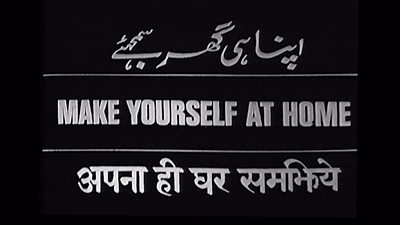
In 1965, the 91福利社 launched its first programmes specially for immigrants. What were they like? And did they deliver? -

One of Us? Opening Doors
In 1973, the 91福利社 launched Open Door, a bold experiment in 'access' TV - allowing marginalized groups to speak directly to audiences without editorial interference. How did the series come about, and what was its impact? -
Empire and Europe
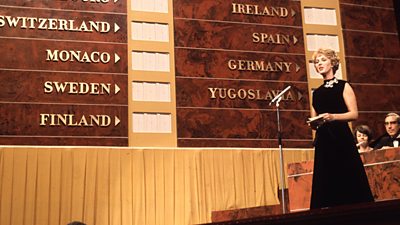
How the 91福利社 found a balance between Empire and Europe, English and foreign language broadcasting -
Caribbean Voices
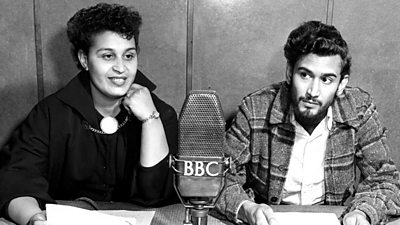
Broadcasting to the Caribbean has long been a part of the 91福利社鈥檚 international activity - small in scale, but enormous in its cultural impact. -

London Calling: the 91福利社 and Caribbean Literature
Literature from the Caribbean came into world focus by giving voice to local poets and writers. -
The 91福利社 in India
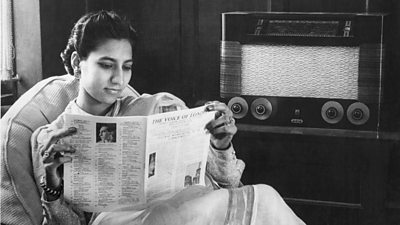
How the end of the British Empire led to a new relationship with India: one that persists to the present day. -

Literary India at the 91福利社
Decades before the 'Raj revival' captured the attention of viewers and listeners the 91福利社 embarked on a very literary relationship with India, one rooted in World War Two. -

Projection of Britain
How the 91福利社 instigated the 'projection of Britain' in its international output -
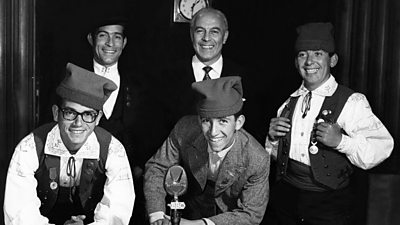
脡尘颈驳谤茅蝉
How did the 91福利社 become a united nations of broadcasting? -
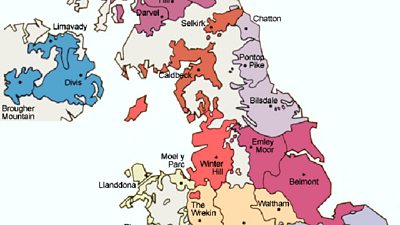
The Nations
The 91福利社鈥檚 motto,鈥楴ation Shall Speak Peace Unto Nation鈥�, adopted in 1927, reflected the 91福利社鈥檚 ambition and purpose at that time. But what about the nations that formed the UK? -
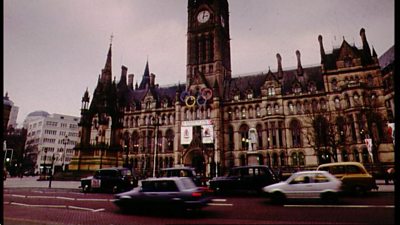
Beyond London: The North
The 91福利社 has been run from London for most of its life. So how has it tried to reflect and speak to those living in the rest of England? -
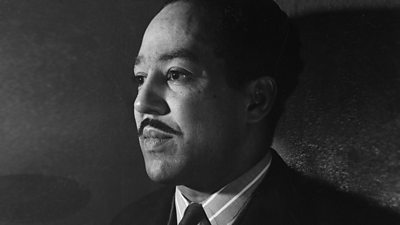
Harlem
There were remarkable examples of African-Americans getting a leading role in harder-hitting programmes about Civil Rights - and exposing British audiences to the brutal realities of racial prejudice. -

The Black and White Minstrel Show
The Black and White Minstrel Show, which ran from 1958 to 1978 was arguably the 91福利社鈥檚 most glaring failure to understand the damage it could do when it traded in out-dated stereotypes. -
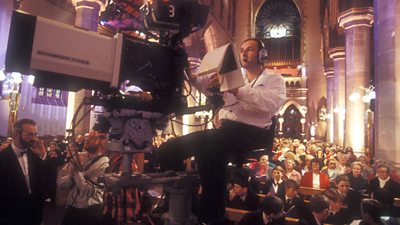
Faith
'We are living in a Christian land' declared one of the founding figures of the 91福利社 when it was launched in 1922. How has the 91福利社's religious programming evolved to embrace religious diversity? -
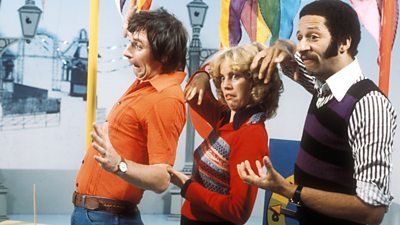
Little Citizens
The pioneering TV producers who wanted programmes to help children become full and active participants in the world around them -

LGBTQ
The Corporation has come along way since its first efforts to represent the diversity of sexual communities in the UK in its output. -
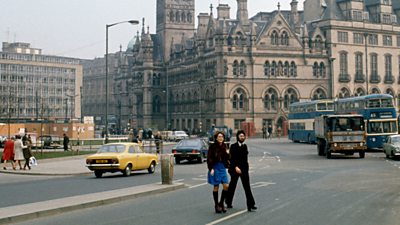
Public Attitudes
How broadcasters鈥� attitudes to race compared with those of the British public at large 1939-72. -

Share your memories
Do you remember any of the 91福利社 programmes featured on this website? What was your experience of them? -
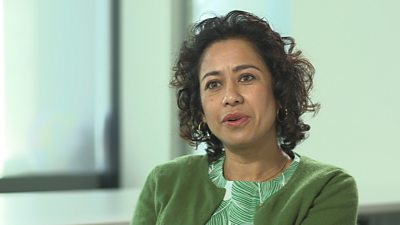
Background to the project
Broadcaster and journalist Samira Ahmed, 'born of immigrants', as she describes herself, talks about some of the extraordinary programme archive unearthed in this Voices of the 91福利社 website.
The website contains excerpts and programmes from 91福利社 services at various moments in time. The material should be viewed in this context and with the understanding that it reflects the attitudes and standards of its own era – not those of today. And please note in particular that the website contains language which is now clearly outdated and offensive but which was regarded as acceptable by many people when first used.